How to Plan a Stress-Free Property Renovation in Hull
A calm renovation rarely happens by accident. It usually comes from decisions made early, before the first skip arrives, before the plaster comes off the walls, and well before anybody starts arguing about sockets, tiles, or where the boiler should live.
That matters in Hull because renovation projects here can vary wildly from one street to the next. A neat terrace in the Avenues behaves differently from a post-war semi in Kingswood or a Victorian property closer to the city centre. Some houses hide decades of patch repairs behind a fresh coat of paint. Others look rough at first glance but are structurally honest and straightforward to upgrade. The stress tends to come when owners assume the visible work is the whole job.
If you want a smoother experience, think less about the exciting finish and more about sequence, budget control, communication, and access. A renovation that feels organised is usually one where someone has taken the time to make practical choices in the right order.
Start by defining what “done” actually means
Many renovation headaches begin with a vague brief. People say they want to modernise the house, add value, sort out the kitchen, or freshen the place up. That sounds reasonable, but it is not enough to guide a builder, compare prices, or make consistent decisions under pressure.
A better approach is to separate the project into outcomes. Are you renovating to live in the property for ten years, to let it, or to sell within the next twelve months? Those three scenarios call for different materials, different levels of finish, and different spending decisions.
For example, a homeowner planning to stay put may decide it is worth rewiring the whole house, upgrading insulation where possible, replacing tired radiators, and paying more for durable flooring. A landlord preparing a rental property may prioritise compliance, easy maintenance, hard-wearing finishes, and quick turnaround. Someone selling soon may focus on visible improvements, solving obvious defects, and avoiding overinvestment on details a buyer may not value.
This is where a lot of Property Renovation Hull projects either gain clarity or drift into scope creep. The more precisely you define the end result, the easier it becomes to say yes or no to changes later.
Know the property before you commit the budget
Old houses are full of surprises, and some surprises are expensive. In Hull, where housing stock spans different eras and construction types, it pays to understand what sits behind the surfaces.
A bathroom refit can uncover rotten floorboards near an old leak. Removing wallpaper can reveal blown plaster. Replacing a kitchen may expose outdated electrics that cannot safely support new appliances. Opening up a room might show steelwork is needed, not just a bit of making good around an old archway.
None of that means you should fear renovation. It means you should allow for investigation before locking yourself into final numbers.
If the property is older, damp-prone, altered over the years, or has been poorly maintained, budget for early exploratory work. That might include lifting sections of flooring, inspecting the roof void, checking the consumer unit, testing plumbing, or looking closely at drains if there are signs of movement or repeated blockages. Spending a few hundred pounds to understand the job can save several thousand in disruption later.
This is also where an experienced general contractor earns their fee. A good one will not just price the visible work. They will look for risk, flag likely issues, and explain where the uncertainty lies. Be wary of anyone who promises a rock-solid fixed figure on a tired property after a ten-minute walk-through. Confidence is useful. False certainty is costly.
Build the budget around reality, not optimism
People often ask what contingency they need, and the honest answer is that it depends on the age, condition, and complexity of the property. A straightforward cosmetic renovation with no layout changes may carry a smaller risk than a full strip-out involving plumbing, heating, electrical upgrades, and structural alterations.
As a working rule, many homeowners feel more relaxed if they hold back a contingency of around 10 to 20 percent. On a simple decorating and flooring job, that may never be touched. On a full renovation of an older house, it may disappear fast once hidden defects appear. If your starting budget has no room at all for the unknown, the project can become tense very quickly.
The budget should also reflect the awkward truth that the cheapest quote can be the most expensive outcome. A low price sometimes comes from omissions rather than efficiency. Waste removal may not be included. Decorating may be excluded. Flooring, final plumbing connections, skips, scaffold, or building control fees might sit outside the number. By the time the job is “finished”, the bargain can look very different.

Ask for transparency. You want to know what is included, what is excluded, what assumptions have been made, and what could trigger additional cost. Clear paperwork is one of the simplest forms of stress prevention.
Choose your team with more care than your tiles
People spend weeks comparing kitchens and bathrooms, then appoint the first builder who seems available. That is the wrong way round. Finishes Kitchen Remodeler matter, but the team running the work matters more.
You need people who are competent, organised, and communicative. You also need to know who is actually responsible on site. In some cases, the person who prices the project is not the one managing it day to day. That is not necessarily a problem, but it should be clear from the outset.
When assessing a general contractor, look beyond the polished photos. Ask how they handle variation costs, how often they provide updates, whether they use regular subcontractors, how they sequence trades, and what happens if unexpected work appears. A builder who can explain the process calmly and concretely is usually safer than one who leans on vague reassurance.
There is also value in local familiarity. A contractor used to working in Hull will often have a better feel for the common issues in local property types, the pace of local suppliers, and the practicalities of access, parking, waste removal, and scheduling. That local knowledge does not solve every problem, but it often shortens the learning curve.
Get specific before work starts
Stress rises when decisions are made too late. If the renovation starts before the key choices are settled, the site becomes a decision factory. Every day brings another call about tile sizes, tap finishes, paint colours, worktop edges, door swings, extractor routes, or whether the existing pipework can be boxed in rather than moved.
Late decisions slow the programme and create rushed choices. They also increase the chance that materials arrive out of sequence or with long lead times that nobody allowed for.
Before the start date, pin down as much as you reasonably can. That includes layouts, sanitaryware, kitchen design, flooring types, lighting positions, ironmongery, heating decisions, and any structural details that require engineering or approval. You do not need to know the exact cushion on the sofa, but you should know whether the wall lights are centred over the bedside tables and whether the tall fridge unit clashes with a window reveal.
The clients who cope best are not always the ones with the biggest budgets. They are often the ones who make clear decisions early and resist changing them casually.
The order of work can make or break the experience
A well-run renovation follows a sensible sequence. Strip-out comes before first-fix services. Structural work comes before plastering. Messy work comes before decorating. Final fit should happen after surfaces are protected, not while dust is still everywhere.
That sounds obvious, yet many stressful jobs go wrong because the sequence slips. A delayed window order holds up plastering. A missing tile selection delays the bathroom. Joinery starts before the walls are dry. Decorators arrive before electricians have finished changing their minds.
Good planning does not remove every delay, but it limits avoidable ones. If you are managing the project yourself rather than using a general contractor, sequence is one of the hardest parts to control. Trades are busy, lead times move, and one overrun often knocks three other appointments sideways. This is why many homeowners decide that paying for coordination is money well spent.
If you are living in the property, plan for the human side
Renovating while living in the house is possible, but it requires honesty about inconvenience. Dust gets everywhere. Power may be intermittent. Water may go off at awkward times. There will be noise, blocked access, and mornings when the whole place feels upside down.
Families tend to cope better when they make temporary arrangements on purpose rather than improvising as the job unfolds. If the kitchen is being replaced, decide in advance where meals will happen, where a kettle and microwave can live, and how you will wash up. If one bathroom is out of use, be realistic about morning routines. If children or pets are in the house, think carefully about safe zones and access routes.
Sometimes the cheapest option on paper is to stay put. In practice, moving out for two or three weeks during the dirtiest phase can preserve everyone’s sanity, especially on full ground floor renovations or projects involving extensive plastering and rewiring. I have seen homeowners spend a fortune trying to create a liveable site around a major refurbishment, only to wish they had booked short-term accommodation from the start.
Brief your contractor like a client who wants fewer surprises
A strong brief helps the job run cleaner and calmer. It does not need to be formal or overcomplicated, but it should answer the practical questions that cause friction later.
- State your priorities clearly, whether that is speed, finish quality, budget discipline, or minimal disruption while living in the property.
- Confirm who can approve extra costs and design changes, and how that approval should be recorded.
- Agree working hours, access arrangements, parking, and who holds keys or alarm codes.
- Set expectations for updates, such as a weekly progress call or end-of-week written summary.
- Flag non-negotiables early, for example preserving original features, avoiding certain materials, or keeping one room operational throughout.
This kind of upfront clarity often General Contractor Hull saves awkward conversations later. Builders are not mind readers. If the hallway floor must be protected because it is original encaustic tile, say so before materials start moving through the house.
Expect variations, but control them
No renovation is completely static. Once work starts, you may spot an opportunity to improve a layout, add storage, upgrade finishes, or solve a problem more thoroughly than first planned. Changes are normal. Undisciplined changes are what wreck budgets and programmes.
A useful habit is to treat every variation as a small business case. What does it cost, what delay might it cause, and is the benefit still worth it once those factors are visible? Repositioning a doorway before plastering may be sensible. Changing the entire kitchen layout after first-fix electrics is a different matter.
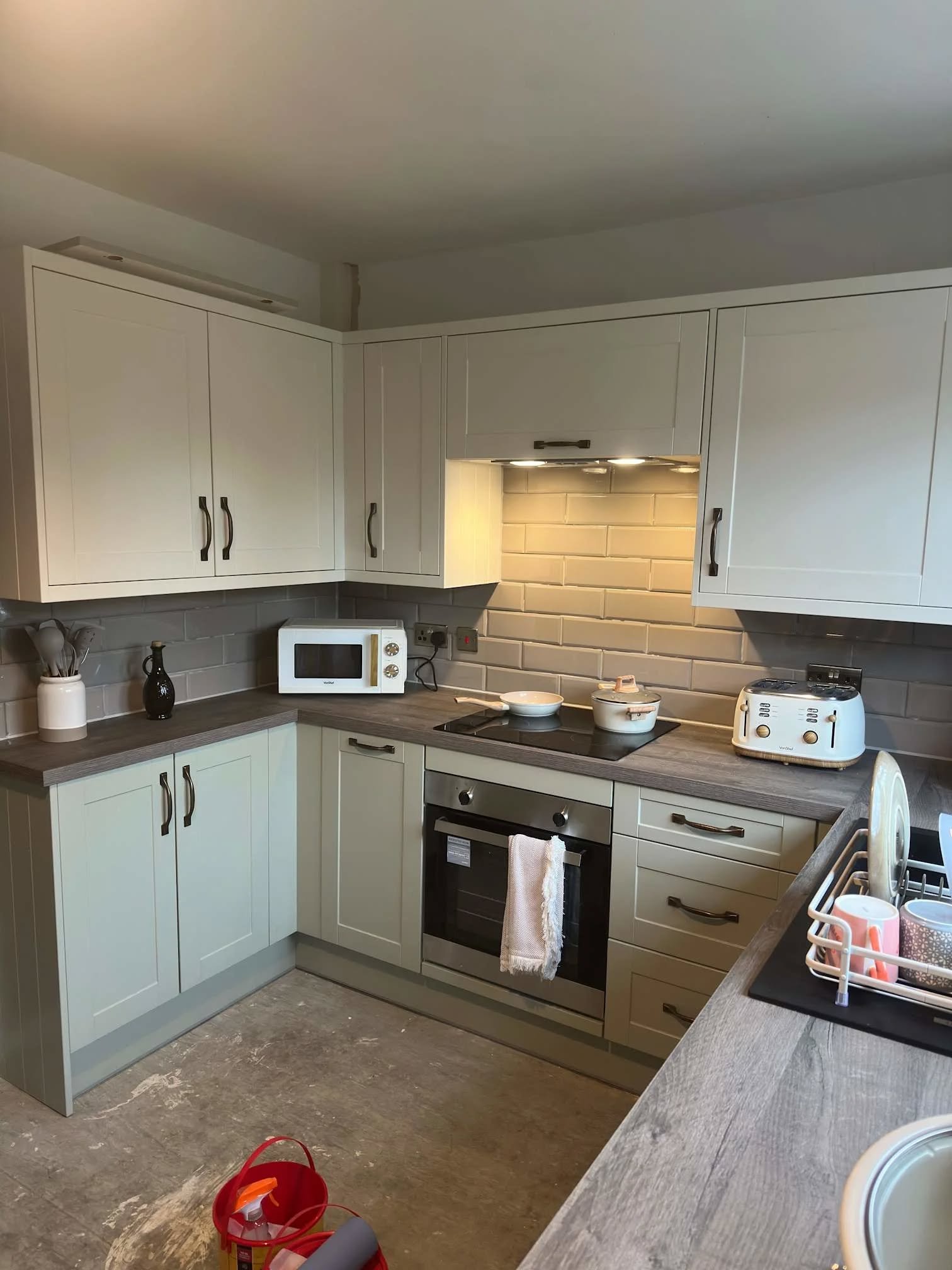
Keep a written record, even if the project feels friendly and informal. A text or email confirming the change, the price, and any time impact is often enough. Memory is unreliable once a job becomes busy.
Do not neglect the boring essentials
The visible parts of a renovation are easy to get excited about. The less glamorous elements often matter more over time. Heating performance, extractor capacity, insulation upgrades where practical, subfloor condition, drainage, and decent electrics rarely make for dramatic photos, but they shape how the property feels to live in.
This comes up constantly in Property Maintenance Hull work. Owners sometimes spend heavily on finishes while postponing the basic repairs that protect the building. Six months later they are calling someone back because the fancy new decoration sits over unresolved damp ingress, failed sealant details, or a guttering issue that should have been fixed first.
A stress-free renovation is not just one that finishes on time. It is one that stays solved after the trades leave.
Materials can calm a project or complicate it
Lead times and availability matter more than many first-time renovators expect. A standard white metro tile from a local supplier is easy to replace if a box arrives damaged. A made-to-order imported tile in a specific shade can halt a bathroom for weeks if there is a shortfall. Bespoke joinery looks superb, but it demands accurate timing and a site that is ready to receive it.
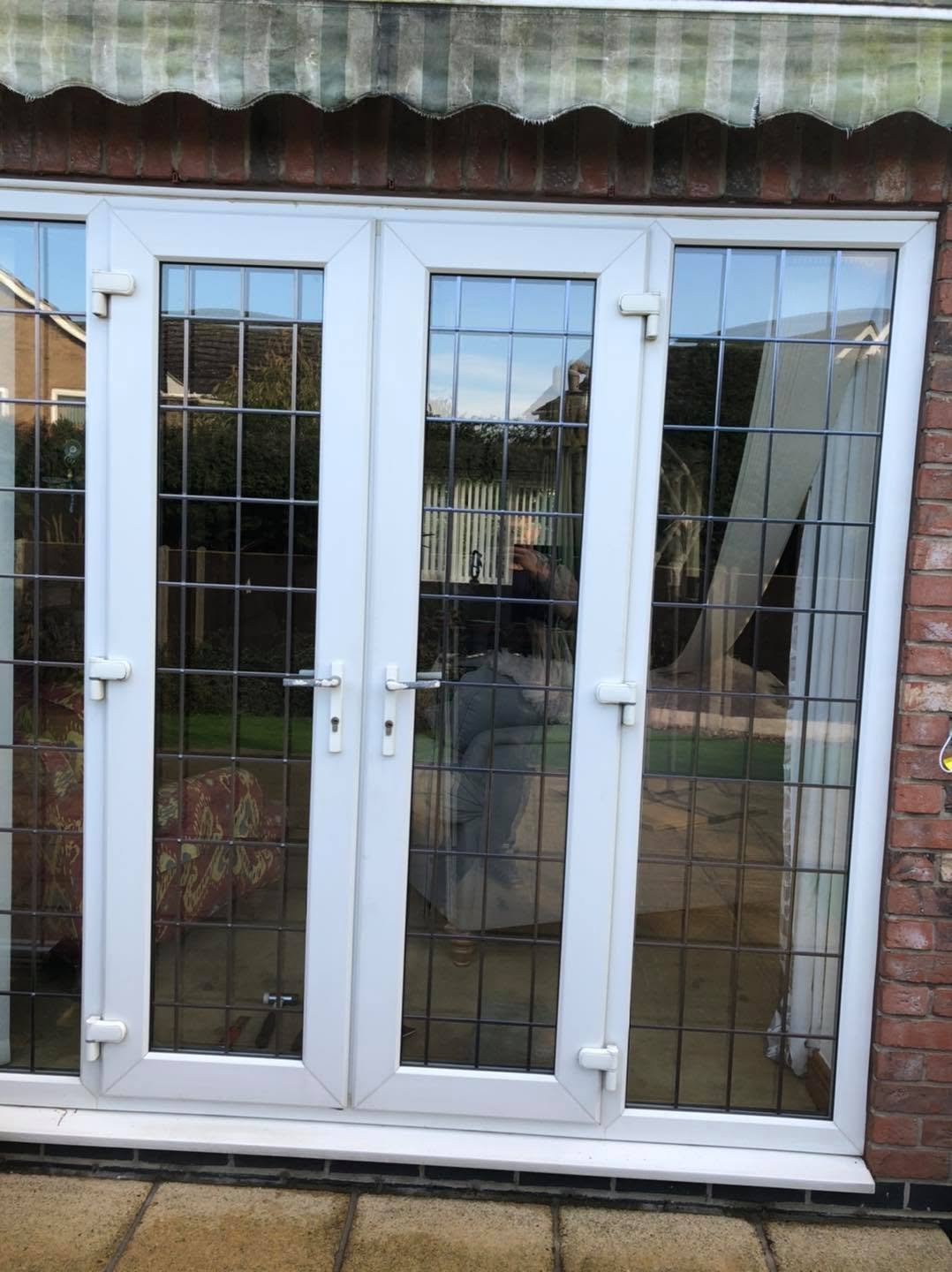
That does not mean you should choose only basic materials. It means you should understand the operational cost of every choice. Sometimes the wiser decision is a product that is slightly less exclusive but easier to source, quicker to install, and less vulnerable CHM Yorkshire Carpenter Hull to delay. This is especially true if you are aiming to complete the project by a fixed date, such as a tenancy start, a sale, or a family move.
Ask your contractor which items have the longest lead times and place those orders early. In many renovations, windows, kitchens, specialist flooring, stone worktops, and bespoke doors can dictate the programme more than the labour itself.
Watch for early warning signs
Problems usually announce themselves before they become crises. The trick is to notice them while they are still manageable.
- The quote is vague, with large grey areas around what is included.
- Start dates move repeatedly without a clear explanation.
- Decisions you thought were settled keep being revisited because nobody documented them.
- The site is regularly left disorganised, with poor protection and little visible coordination.
- Small concerns are brushed off rather than answered directly.
One isolated issue does not always signal disaster. Renovation is messy, and good teams can still have a bad week. But if several warning signs show up together, step in early. A direct conversation at that stage is far easier than trying to repair a strained relationship when the project is already behind.
Keep communication boring and regular
The most peaceful jobs are often the least dramatic. They do not depend on constant firefighting. They run on routine. A short weekly review can do more for your stress levels than dozens of reactive messages.
Use that check-in to cover progress, upcoming decisions, money changes, deliveries, and any risks to the programme. Keep notes. Confirm actions. If something is bothering you, raise it while it is still small.
This also helps with the emotional side of renovation. When owners feel uninformed, they assume the worst. Silence breeds anxiety. A five-minute update saying the plumber found an issue, here is the fix, here is the cost, here is the revised timing, keeps the project grounded in facts rather than rumour.
Finish properly, not just quickly
The end of a renovation can be deceptive. Most of the big visual transformation happens before the final details are complete, so there is a temptation to rush over the line. That is how projects end up with snagging lists that drag on for weeks.
Allow time for proper completion. Doors need adjusting. Sealant may need touching up. Paintwork often needs a final visit after other trades are fully clear. Heating systems should be tested properly. Extractors, lights, appliances, and plumbing fixtures should all be checked before the last payment is released.
This is also the moment to gather whatever paperwork is relevant, whether that includes certificates for electrical work, warranties, manuals, paint references, or details of materials used. Those documents are easy to ignore when everyone is tired and eager to move on, but they are extremely useful later.
A calmer renovation comes from disciplined choices
Stress-free does not mean silent, spotless, or perfectly on schedule every day. Renovation is disruptive by nature. Bathroom Remodeler Walls open up, plans evolve, and old buildings rarely behave like spreadsheets.
What you can control is the way the project is framed and managed. Clear goals, realistic budgets, early decisions, practical sequencing, and honest communication remove a surprising amount of friction. So does hiring the right general contractor, someone who knows how to spot risk before it grows legs.
Hull has a broad mix of properties, and each one asks for slightly different judgment. The principles stay the same. Understand the building, respect the sequence, spend money where it solves real problems, and keep the process visible from start to finish. When those pieces are in place, even a substantial Property Renovation Hull project can feel manageable, predictable, and far less stressful than most people fear.
CHM Yorkshire Ltd
Hull
HU9 5BU
Tel: 01482 455159
Website: https://www.chmyorkshireltd.co.uk